
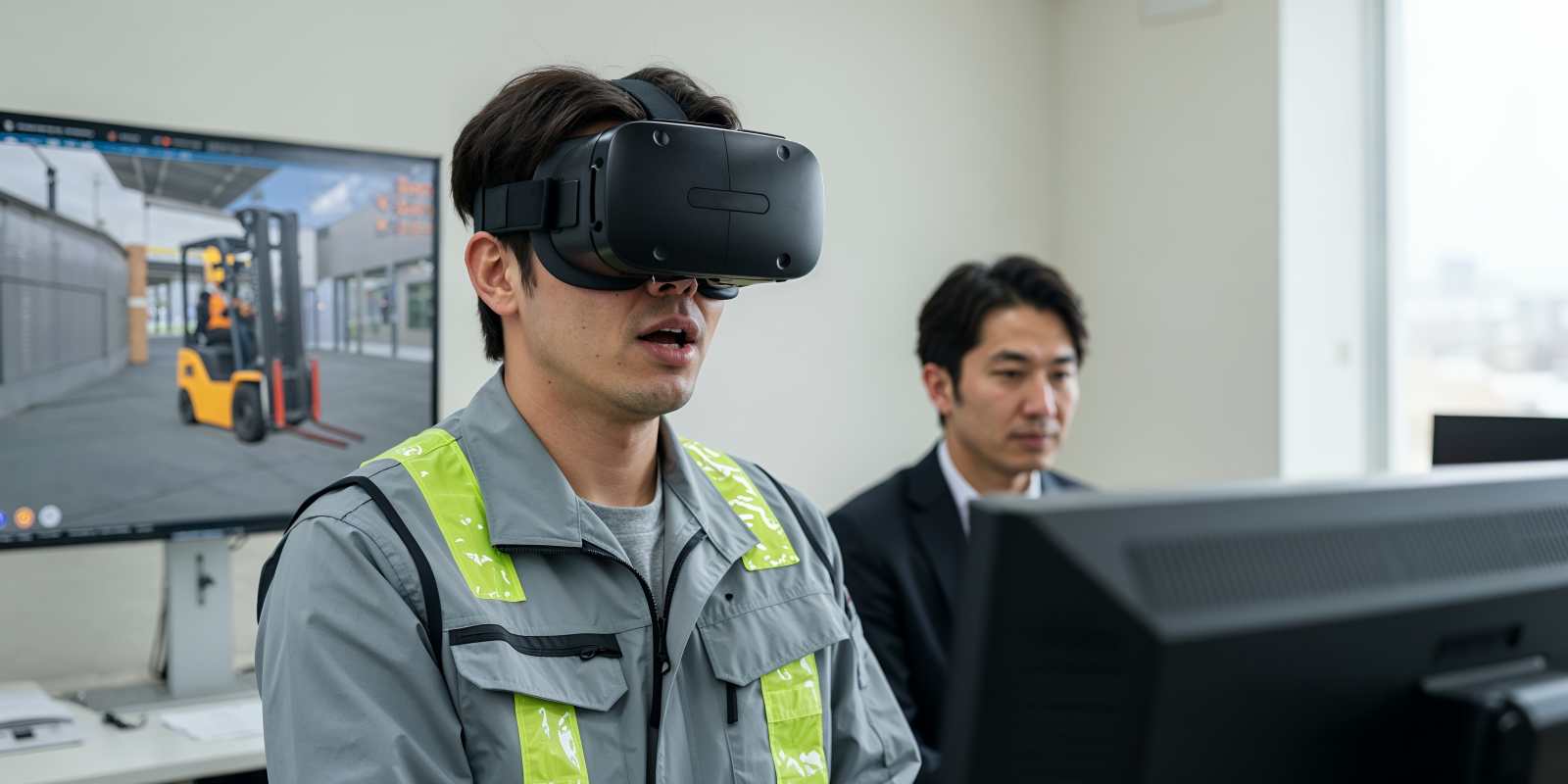
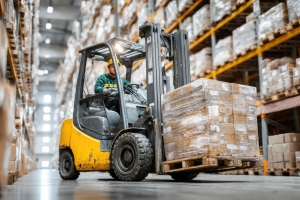
Powered industrial truck (PIT) operators must acquire sufficient training and operational experience to use these machines. This requires organizational or industry certification through OSHA (Occupational Safety and Health Administration), even if a commercial driver’s license is not always required. Every business leader, manager, and floor operator needs to know the ins and outs of PIT certification to lead their organization effectively and safely.
This article goes into detail about PIT certification to help operators safely handle heavy warehouse machinery, such as heavy forklifts. For supervisors, managers, and fulfillment leaders, this information can help them maintain compliance, protect their teams, and prevent damage to assets while overseeing the operations of potentially dangerous machines.
Defining PIT Certification for Warehouse Leaders and Operators
PIT certification is used by OSHA to enforce safety training requirements for operating heavy warehousing machinery. Specifically, OSHA code 29 CFR 1910.178(l) requires training and evaluation up to OSHA policy standards for truck operation.
The vehicles referred to in these requirements include:
- Pallet jacks
- Heavy forklifts
- Reach trucks
- Order pickers
- Side loaders
- Stand-up riders
- Turret trucks
These and other powered vehicles require OSHA compliance, which includes significant hands-on training. Each vehicle handles differently and even uses different driver positions, making certification specific to individual truck classes.
Why Does PIT Certification Matter for Warehouse Operations?
The skill and experience acquired by forklift operators in the process of OSHA certification improves the productivity of warehouse operations. However, this is not the only benefit to achieving and maintaining compliant PIT certification. As a strategic risk control strategy, PIT certification reduces the organization’s exposure to many of the pain points of fulfillment operations, including:
- Workplace injury settlements
- Equipment repairs and replacements
- Safety compliance lawsuits
- Regulatory fines
These tangible benefits are balanced by equally important workflow improvements. By creating an environment defined by safety and accountability, warehouse leaders can keep staff consistently, avoid workforce shortages, and reduce turnover rates.
How Does PIT Certification Influence Staffing Quality so Drastically?
Employees desire to be properly trained in their field to advance their skill positions and improve their outlook. Recent studies show that 92% of employees believe that workplace training positively impacts their job engagement, and nearly half of employees are more likely to stay in their current role if they receive training.
This means that beyond avoiding regulatory fines and satisfying OSHA requirements, specialized training for forklift operators and others encourages high-talent workforces to remain where they are, invest in their organizations, and engage more readily.
What are the Main Components of Certification?
Knowing the value of certification, warehouse leaders need to prepare for the process to give their workforce the best chance of success. PIT certification for forklift operators involves three core elements:
- Formal Education, in which classroom-style learning or online instruction covers OSHA’s PIT certification standards, the handling requirements and controls for specific vehicles, load handling safety protocols, hazard recognition training, and more.
- Practical Experience, which gives trainees hands-on operational experience with the vehicle while being supervised by certified trainers. This enforces safe handling procedures, navigation skills, and machine operations.
- Performance Evaluation involves an assessment through which the trainer can confirm that the operator in training has the knowledge and skills needed to handle the vehicle in real-world warehouse situations.
By completing these three training stages and passing the evaluation, trainees can become certified PIT operators.
When Does PIT Certification Need to Be Repeated?
PIT certification does not guarantee lifelong operational compliance. OSHA certifications must be renewed every three years even if circumstances remain the same. If the operator is involved in an accident or given a citation for unsafe handling, the renewal requirement may be even sooner.
What are Warehouse Leaders Responsible for Handling?

The PIT certification process may seem centered on the operator’s responsibilities, but warehouse leaders must track, maintain, and verify safety and training aspects to keep their compliance status and run their warehouse efficiently.
These four factors define warehouse leaders’ general responsibilities in PIT certification:
- Keeping track of certification status, including maintaining updated records, tracking renewal dates, and recording certifications
- Verifying training by observing operators, noting discrepancies, and encouraging a culture of safety
- Refreshing evaluations after incidents, following the rollout of a new procedure, or at the appointed renewal time
- Reinforcing daily safety practices through a culture of accountability that includes operational safety checks, regular inspections and tests, and prompt defect reporting
Ready to Make PIT Certification Simple? Rapid-Response Warehouse Workforce Solutions Can Help
Warehouse leaders must obtain, verify, and renew PIT certifications for all their heavy machine operators to maintain a workplace culture of safety and compliance, avoid OSHA fines, and protect valuable employees and assets from unnecessary risks. Despite its importance, PIT certification does not have to be a complex process that consumes administrative labor.
At NVT Staffing Warehouse Division, our trusted rapid-response warehouse teams deliver experienced, certified professionals to your warehouse operations. With as little as 72-hour notice, our rapid response teams can handle specialized warehouse operations, including heavy machinery duties. No long-term contracts are required to use our services; simply contact our team today to learn how skilled, rapid-response warehousing can make PIT certification simple.