
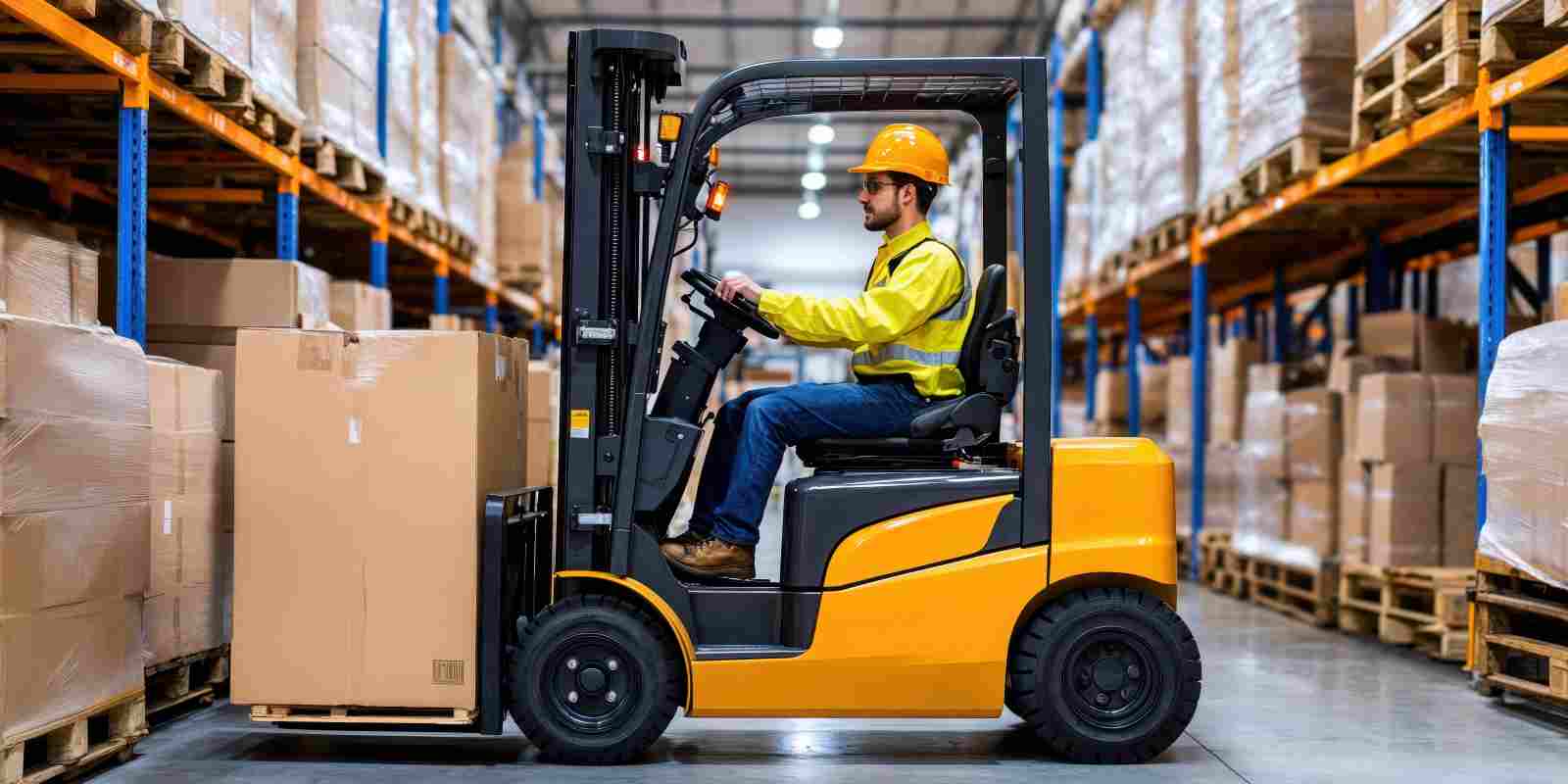
Forklift drivers provide a foundation for safe, hands-on warehouse inventory management. They are the backbone of warehouse management and compliance. Yet, since forklifts are powerful, potentially dangerous vehicles, operators are required to be properly trained and certified before they can legally apply their skills for a business. In the U.S., certification through the Occupational Safety and Health Administration (OSHA) is more than an industry best practice, as any warehouse operator is required by law to make sure their drivers are certified.
Certification is therefore a key compliance process that maintains trust with clients and contractors, protects employees, and maintains legal operations status for any business with a warehouse. The OSHA certification process includes multiple requirements and a specific operating process that warehouse managers should become familiar with. This article goes over the certification process, the difference between forklift certification and forklift license, and how certification can help managers avoid preventable accidents and the fines and damages they can cause.
What are the OSHA Certification Requirements?
Before reviewing the certification process and penalties, warehouse managers should be aware of these six core components of OSHA forklift certification:
- Operator Age: Forklift operators must be 18 years of age or older before beginning certification or operating corporate vehicles.
- Training Completion: OSHA provides practical training requirements and a certification exam.
- Refresher Training: Even after becoming licensed, forklift operators must recertify with a refresher course every three years or after a serious workplace accident.
- Certification Type: Forklifts are available in different weight and function classes, which require individual authorization to legally operate.
- Supervision: Forklift operators in-training must have a supervisor whenever they operate the machinery.
- Site-Specific Training: Some sites and equipment require specific training due to potential hazards, materials, facility layouts, and more. For example, trainees may have to be explicitly certified in operating forklifts on ramps at different loading docks.
OSHA requirements guarantee that forklift drivers are not only certified for general forklift operation but also for the workplace-specific hazards at their place of work. Refer to OSHA’s certification page for more information.
OSHA Certification Steps
The forklift certification process requires employers to develop and implement a training program including three core steps: in-person instruction, on-site training, and evaluations. Employers must complete all steps, but they have some freedom in how they can approach the process.
For example, they may combine in-person and online coursework to stagger the training and prevent overloading their on-site operations with trainees. In person, trainees will get hands-on experience with the hardware; in their theoretical online or hybrid coursework, they will be tested on the specifics of their certification requirements after receiving foundational instruction.
Forklift certification requires more than operational knowledge of the hardware. Employees will be expected to pass tests on specific questions related to equipment operations, emergency procedures, location-specific safety issues, material handling procedures, and problem-solving in real-world scenarios.
Certification vs License: The Difference for Warehouse Managers
OSHA certification is not a license, and the difference should be clearly recognized by both warehouse managers and business owners. After completing the certified training, students receive formal certification in the form of a certificate or card that verifies course completion and operational qualifications. OSHA records can be used during inspections or audits to make sure all operators have correctly documented training.
By contrast, a forklift license is a permit that allows operators to drive forklifts on public roads. This is a government issued driver’s license and is legally required to transport forklifts between locations or operate outside of the business’s property. OSHA certification is a temporary acknowledgement of safety skills and operational knowledge that only applies to normal operations on the property.
Managers must recognize this difference to avoid fines and compliance violations, especially since many sources refer to licenses and certifications interchangeably. Sending an OSHA-certified forklift operator out on a public road, such as to move a forklift between warehouses, they must also have a forklift license, which requires its own driving evaluation, safety training, and approval process.
Benefits of Forklift Certification
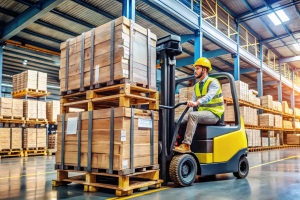
According to the OSHA Education Center, forklifts are only responsible for around 0.62% of the over 4.1 million workplace injuries that occur every year. While these numbers sound positive, forklift accidents are far more dangerous and potentially fatal than other workplace incidents. The most common cause of a forklift accident is the machine being tipped over or spinning out, which can easily destroy property or end the life of an employee.
Maintaining proper forklift certification can proactively prevent these dangerous incidents, saving employee lives and company property. Proper training informs employees how to safely handle these machines, identify hazards distinct to their working environment, and accurately report issues before they become costly accidents. For warehouse operations of any size, OSHA certification ensures compliance and expedites audits while keeping employees and assets safe.
While OSHA forklift certification is necessary for legal forklift operations, the process can be complex and costly. It also requires a stricter hiring process, to make sure that employees have the skill backgrounds and competencies needed to pass certification.
Hire Rapid-Response Warehouse Solutions to Guarantee Certification
NVT Staffing Warehouse Division helps managers simplify their workflows and avoid the costs of certification. We deliver experienced warehouse professionals, including certified forklift drivers, without the hassle of training or the pressures of compliance. Experience the NVT difference with our technology-driven platform, including geo-tracking check-ins, automated shift logs, online property manuals, and skill-matched personnel. Manage assignments, training, and payments easily through the NVT App or web portal for seamless, real-time control.
Contact our team today for rapid-response skill deployment for all your warehouse’s needs, including forklift operations.